
The Ultimate DIY Flat Stone Fire Pit: Stack ‘Em High, Burn ‘Em Bright!
Table of Contents
Share this Article
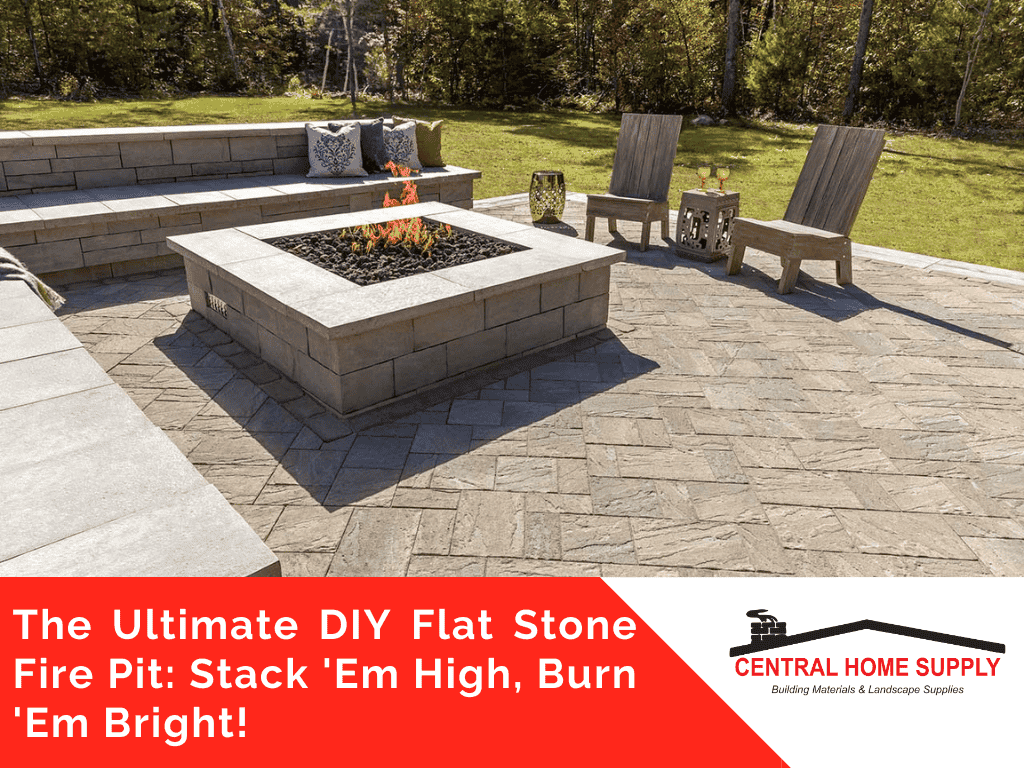
Why a Flat Stone Fire Pit Transforms Your Backyard
A flat stone fire pit is one of the most rewarding DIY projects you can tackle in a weekend. It creates a natural gathering spot, adds rustic charm to your outdoor space, and—best of all—you can build one yourself using readily available materials like flagstone, retaining wall blocks, or concrete pavers.
Quick Answer: How to Build a Flat Stone Fire Pit
- Choose your location – Pick a flat spot at least 10-20 feet from structures
- Prepare the base – Excavate 6-8 inches deep, add gravel for drainage
- Stack the stones – Use retaining wall blocks or flagstone in a running bond pattern
- Add a fire ring – Insert a metal liner for safety and durability
- Create a seating area – Surround with flagstone pavers or gravel
- Total time: One weekend | Typical cost: $300-$600
If you’ve been dreaming of gathering around a crackling fire with family and friends, you’re in the right place. The U.S. market for outdoor fire pits is projected to reach $1.1 billion by 2027, and stone fire pits remain the top choice for homeowners who want that timeless, natural look.
The beauty of flat stone fire pits is their versatility. You can use tumbled wall blocks that fit snugly around a 30-inch fire ring, or stack irregular flagstones for a more rustic appearance. Either way, you’ll end up with a durable, heat-resistant structure that can handle years of campfires, cookouts, and s’mores sessions.
Why flat stones work so well: They’re naturally heat-resistant, weather the elements beautifully, and require minimal maintenance. Plus, when you stack them properly with or without masonry adhesive, they create a stable structure that looks professional—even if this is your first major outdoor project.
Designing and Selecting Your Flat Stone Fire Pit
Before you start digging up your lawn in Scotts Valley or the Bay Area, we need to talk about the “look” you want to achieve. Not all stones are created equal, and choosing the right material for your flat stone fire pit is the difference between a weekend project and a lifetime masterpiece.
At Central Home Supply, we see two main paths for DIYers: the natural, rugged beauty of irregular stone or the clean, structured lines of manufactured concrete blocks.
| Feature | Natural Stone (Flagstone/Bluestone) | Manufactured Concrete Blocks |
|---|---|---|
| Aesthetic | Rustic, unique, “old-world” | Modern, uniform, clean lines |
| Ease of Build | Challenging (requires “puzzle-solving”) | Easy (uniform shapes stack perfectly) |
| Heat Resistance | Excellent (naturally occurring) | Excellent (fire-rated concrete) |
| Durability | High (lasts decades) | Very High (resistant to cracking) |
| Best For | Wood-burning, natural landscapes | Contemporary patios, gas conversions |
Natural Stone: The Rugged Choice
If you want your flat stone fire pit to look like it has been part of your Coastal California landscape for centuries, natural stone is the way to go. Flagstone, fieldstone, and bluestone are popular choices because they come in flat, stackable pieces. However, because they aren’t uniform, you’ll spend a bit more time playing “Tetris” to find stones that sit level on top of one another.
Concrete Blocks: The Precision Choice
Many homeowners in San Francisco and the surrounding Bay Area prefer tumbled wall blocks or retaining wall stones. These are manufactured to be consistent in height and width. This means your courses (layers) will be perfectly level without much fuss. Concrete fire pit kits are often a good solution because they come in many styles + colors so that you can easily create a cohesive focal point for your hardscape project. Matching color or contrasting color with your pavers or flagstone are made easy with a prefabricated fire pit kit. We carry all the major brands from Precast Prism Hardscapes to Belgard or Techo-Bloc’s stackable kits. Want to run Propane or Natural Gas to avoid the risk of sparks, we have you covered!
Regardless of which stone you choose, we always recommend using Fire pit rings to line the interior. A steel liner acts as a heat shield, protecting your stones from direct flame contact and preventing them from drying out and cracking over time. Fire danger is always a real concern in California, so please remember to always use a spark arrestor or screen if burning real wood, and check you local building code to verify this is a safe option for your area.
Why Choose a Flat Stone Fire Pit Kit?
If the idea of measuring every single stone sounds like a headache, a kit might be your best friend. A flat stone fire pit kit is designed to be all-inclusive. Most of these kits come with pre-cut stones that fit together perfectly, meaning you won’t need to rent a stone saw or spend hours chipping away at edges.
- No Cuts Needed: Most kits are designed to assemble in a circle or square with zero cutting required.
- Quick Assembly: While a custom build might take a full weekend, many kits can be stacked and ready for a fire in just a few hours.
- Weather Resistance: These kits are designed for the California coast, handling everything from the fog of San Francisco to the sun of Carmel Valley.
- Versatility: Many kits, like those from Belgard, come standard for wood-burning but can be easily retrofitted for gas log sets if you prefer the flick of a switch over the crackle of a log.
Key Considerations for Your Flat Stone Fire Pit
Before we get the shovel out, let’s go over the logistics. You don’t want to build a beautiful fire pit only to realize it’s too close to your house or violates a local ordinance.
Size and Shape Most DIY fire pits are round, with an outside diameter of about 40 to 50 inches and an inside diameter of 30 inches. This size is perfect for standard Fire pit rings and provides enough space for a roaring fire without it becoming unmanageable. Height-wise, 12 to 18 inches is the “sweet spot”—high enough to contain the logs, but low enough to radiate heat toward your feet.
Safety Distances In the Bay Area and Santa Cruz County, fire safety is paramount. We recommend placing your flat stone fire pit at least 10 to 20 feet away from any structure, including your house, deck, or shed. Following National Fire Protection Association safety standards ensures your backyard remains a safe place for relaxation. Also, look up! Make sure there are no low-hanging branches or power lines that could catch a stray spark.
Local Codes Always check with your local municipality. Some areas in the Bay Area have strict “No Burn” days or require specific permits for permanent outdoor fireplaces. A quick call to your local building department can save you a lot of trouble later.
How to Build and Maintain Your Fire Pit
Ready to get your hands dirty? Building a flat stone fire pit is an intermediate-level project that requires a bit of muscle but no specialized masonry degree. Here is what you’ll need to have on hand:
- Tools: Shovel, garden rake, 4-foot level, rubber mallet, tamper, tape measure, and a wheelbarrow.
- Safety Gear: Work gloves, safety glasses, and maybe some ibuprofen for the next morning (we aren’t as young as we used to be!).
- Materials: Your choice of flat stones or blocks, paver base (crushed stone), leveling sand, and landscape adhesive.
Site Preparation and Foundation
The secret to a fire pit that doesn’t lean like the Tower of Pisa is the foundation. You cannot simply stack stones on top of grass. Over time, the ground will settle unevenly, and your fire pit will crumble.
- Mark the Circle: Drive a stake into the center of your chosen spot. Tie a string to it and mark a circle that is about 6 inches wider than your intended fire pit. Use marking spray paint to outline the dig area.
- Excavate: Dig out the grass and soil inside the circle to a depth of about 6 to 8 inches.
- Add Drainage: This is a step many people skip, but in the rainy winters of Scotts Valley, you’ll regret it if you do. Fill the bottom 4 inches of your hole with a compactable gravel or paver base.
- Tamp and Level: Use a hand tamper to pack the gravel down until it’s rock-hard. This is your “slab.” Use your 4-foot level to ensure the base is flat in all directions.

Stacking Stones and Installing the Liner
Now for the fun part: stacking! If you’re using a flat stone fire pit kit or tumbled blocks, this part goes quickly.
- The First Course: Lay your first row of stones around the perimeter. This is the most important layer. Use your level on every single stone. If one is too high, tap it down with the rubber mallet. If it’s too low, add a little leveling sand underneath.
- Stagger the Joints: When you start the second layer, make sure the vertical seams do not line up with the seams of the first layer. This is called a “running bond” pattern, and it’s essential for structural stability.
- Use Adhesive: For extra security, apply a bead of outdoor-rated masonry adhesive between the layers. This prevents stones from shifting if someone accidentally kicks them or leans on the edge.
- Insert the Liner: Once you are two or three layers high, drop in your steel fire ring. This ensures the ring fits perfectly before you get too far along.
- The Capstone: If you’re using natural stone, save your flattest, widest pieces for the very top. This creates a “ledge” where you can rest your feet or a plate of s’mores.
Enhancing Your Flat Stone Fire Pit with Accessories
A fire pit is great, but a customized fire pit is better. Here are a few ways to level up your outdoor space:
- Cooking Grates: Many of the kits we sell at Central Home Supply can be fitted with a swivel cooking grate. There’s nothing like wood-fired steaks or burgers in your own backyard.
- Spark Arrestors: If you’re concerned about embers, a mesh spark screen is a must-have accessory.
- Decorative Gravel: Surround the base of your fire pit with a 2-foot border of Mexican pebbles or crushed bluestone. This looks great and acts as an extra fire break.
- Stone Benches: Use leftover flagstone or larger boulders to create permanent seating around the pit. It beats dragging lawn chairs across the grass every time you want a fire.
Safety Guidelines and Long-Term Care
To keep your flat stone fire pit looking and performing its best, you need to treat it with a little love.
Ash Removal Don’t let the ash build up too high. It can block airflow and make it harder to start a fire. Once the ashes are completely cold (wait at least 24 hours), shovel them out. Expert Tip: Avoid putting lava rocks in the bottom of your fire pit. While they look cool, ash gets trapped in the crevices, making it nearly impossible to clean. Instead, use a large, flat paving stone in the center surrounded by a small amount of gravel for drainage.
Check for Shifting After a heavy rain or a long winter, check your stones. If you notice any shifting, you may need to re-apply adhesive or adjust a stone or two. Because you built a solid gravel foundation, this should be minimal.
Fire Safety 101
- Never leave a fire unattended.
- Keep a garden hose or a bucket of water nearby.
- Don’t burn trash or “sparky” woods like cedar or pine if you have neighbors close by.
- Wait for the fire to go out naturally or douse it thoroughly before heading inside.
At Central Home Supply, we’ve been Scotts Valley’s largest landscape and building materials supplier for years. We know the local terrain, the local weather, and exactly which stones will hold up best in your backyard. Whether you need a pallet of flagstone or a specific steel liner, we offer over 2,500 products to help you get the job done right. If we don’t have that one unique, hard-to-find stone you saw in a magazine, we’ll source it for you—that’s our promise.
Ready to start your project? Come see us at our locations in Scotts Valley or the Bay Area. We can help you calculate exactly how many stones you need so you don’t end up with half a fire pit or a mountain of leftovers.
Find the perfect materials at Central Home Supply and let’s get that fire started!
