
Thin Stone Veneer Supplier in Scotts Valley, CA
No Footing, No Structural Work
Natural and Manufactured Stone in One Yard
Samples to Take Home Before You Order
Trusted Stone Veneer Supplier Backed by Experience, Selection, and Local Knowledge
Central Home Supply is a family-owned thin stone veneer supplier serving homeowners, contractors, architects, and builders across Scotts Valley, Santa Cruz, Santa Clara, and Monterey Counties. We have been in the materials business for 50+ years, and we stock natural thin stone veneer quarried and sawn from real stone alongside manufactured stone veneer cast from real stone faces, plus the mortar, lath, tools, and sealers each job takes. Full-bed stone needs a footing and a supporting ledge most houses were never built with, and pouring one is what kills the project before it starts.
Thin stone weighs under 15 lbs per square foot, so the wall you already have carries it. This page covers both lines, where each one works, what goes behind the stone, and how to count corners. We supply the materials and refer you to licensed local contractors for the installation.

Thin Stone Veneer Lines and Applications We Stock
Thin stone veneer covers indoor and outdoor applications alike, and both lines sit in the same Scotts Valley yard.


Why Most Houses Cannot Take Full Bed-Stone
Full-bed stone runs three to five inches deep and carries its own weight, so the wall behind it needs a footing and a ledge to sit on. Most homes were never built with either, and pouring one is what kills the project.
Four Times Lighter — Thin stone veneer weighs under 15 lbs per square foot, roughly a quarter the weight of full-bed stone. Light enough for framing you already have.
Lower Installation and Freight Costs — One pallet covers about four times the area, so shipping costs drop. Installation methods run closer to tile than masonry, and the labor reflects that.
No Footing, No Ledge — Under that threshold, veneer stays out of structural calculations. The wall carries it as a finish, not a load.
Works on Nearly Any Substrate — Wood sheathing, concrete, block, existing masonry, and metal framing all take veneer once the barrier and lath are right.
On a remodel, skipping the footing is often what makes a stone project viable at all.
Why Homeowners and Contractors Choose Central Home Supply
No Footing, No Structural Work
Under 15 lbs per square foot is the threshold that keeps veneer out of structural calculations. A remodel that could never justify full-bed stone can take veneer this week, and we stock the mortar, lath, and corners the job needs.
Natural and Manufactured Stone in One Yard
Compare quarried stone against cast product on one visit, in daylight, instead of guessing from two websites. We stock over 2,500 products, so everything behind the stone comes from the same order.
Samples to Take Home Before You Order
Stone reads differently on a sample board than on a wall. Take pieces home, check them against your own siding, trim, and light, and we will price the order with you at the counter.
How to Order Thin Stone Veneer, Step by Step
STEP 1
Measure and Count Corners
Bring your square footage, your outside corner count in linear feet, and a photo of the wall to 180 El Pueblo Road. Corners are priced separately by the linear foot, and they are easy to forget.
STEP 2
Choose Your Line and Take Samples
We walk you through natural and manufactured options against your budget, your substrate, and whether the elevation has curves. Samples go home with you before anything is ordered.
STEP 3
Spec Substrate and Mortar
We confirm what goes behind the stone, including the weather barrier, lath, and scratch coat, plus which mortar the application calls for. Type N covers most exterior above-grade work; Type S gives higher bond strength where the wall needs it.
STEP 4
Pick Up, Schedule Delivery, or Get a Referral
Load at the yard or book delivery to your site. Are you working with your own mason, or do you need one? We refer you to licensed local contractors and stay available for additional stone and corners as the wall goes up.
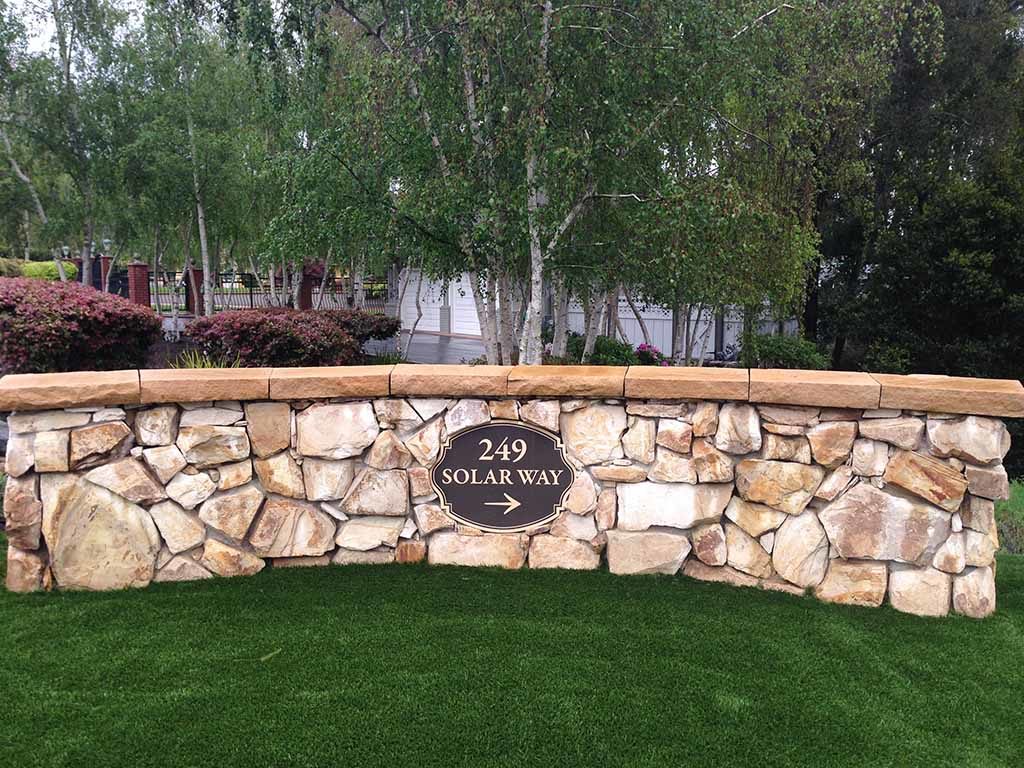
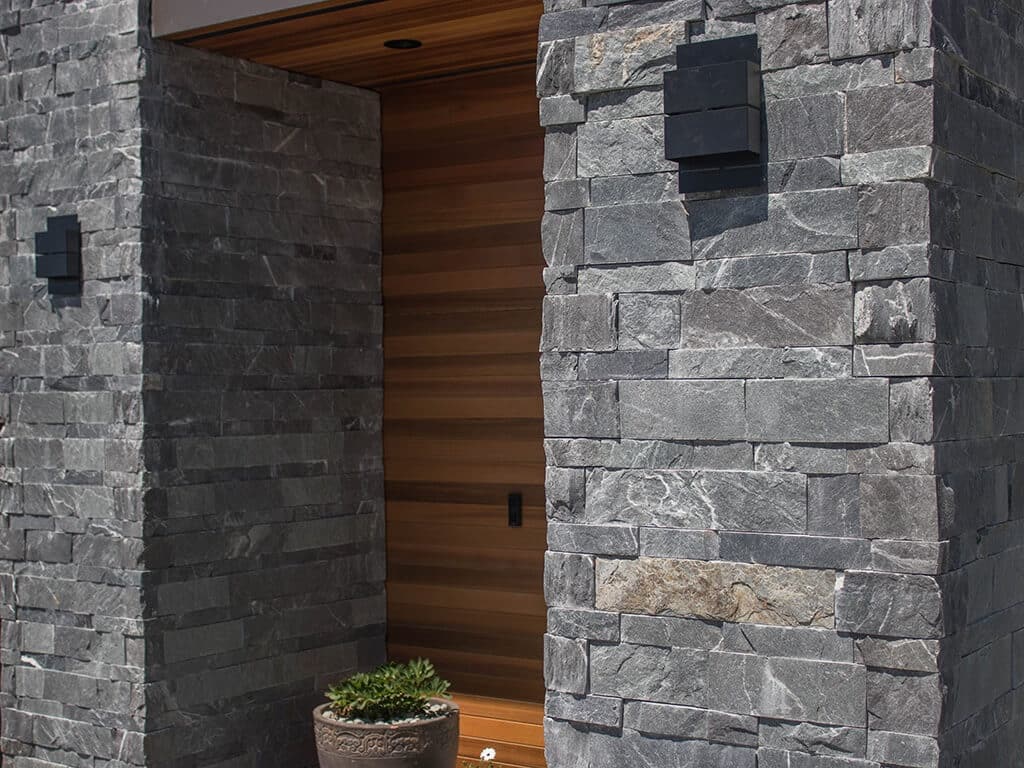
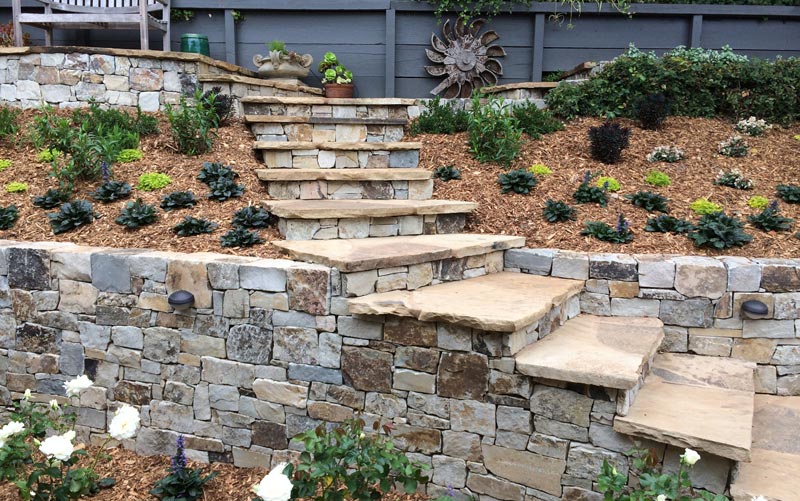
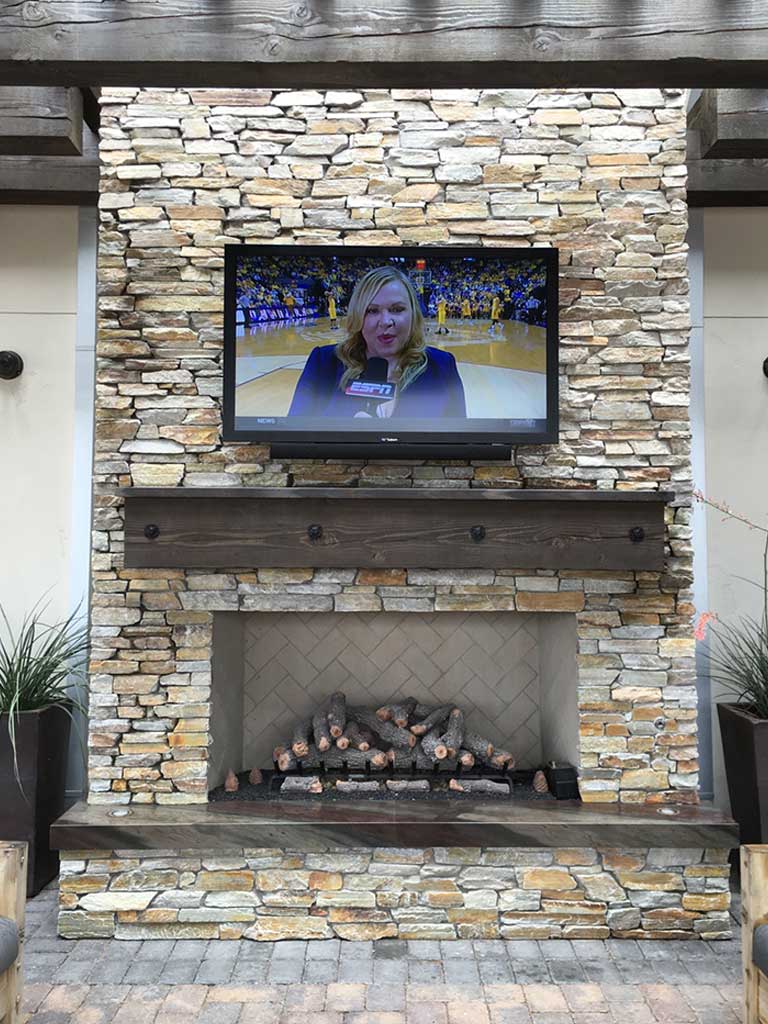
Recent Veneer Projects
Testimonials
Trust Badges & Accreditations

Thin Stone Veneer: Common Questions
Our Latest Guides
Why Your Patio Needs the Right Bedding Sand
How Many Bricks for a Square Feet of Paving? Homeowners Essential Guide